CELPIP Speaking Task 8: Describing an Unusual Situation
Describe a strange object to someone who can’t see it, then ask what they want. Practise below with the 60-second exam timer.
Task 8 · Describing an Unusual Situation
A strange kitchen gadget
You are at a garage sale and see the unusual object in the picture. Call a friend who loves cooking, describe the object in detail, and ask whether you should buy it for them.
Quick tips for this task
- Explain why you are calling and what you need from the listener.
- Describe shape, size, colour and material precisely.
- Compare it to familiar things when you lack the exact word.
Ready
- Prep
- 0:30
- Speak
- 1:00
Your browser will ask for the microphone. Recordings are scored, then discarded — never stored.
In CELPIP Speaking Task 8 (Describing an Unusual Situation), you see an unusual object and phone someone who can’t see it. You get 30 seconds to prepare and 60 seconds to explain why you’re calling, describe the object’s shape, size, colour and parts precisely, and ask the question the prompt gives you.

How long do you get for CELPIP Speaking Task 8?
30 seconds to prepare and 60 seconds to speak. In preparation, find the three features that make the object unusual and the familiar things you can compare them to. Leave about ten seconds at the end for the question the prompt asks you to put to the listener.
- 0:30Prep
- 1:00Speak
How should you structure a Task 8 answer?
Why you’re calling (about 8 s)
“Hi Jen, I’m at a garage sale and I’ve found something really strange — I think you might want it.”
The overall shape and size (about 12 s)
Start big: “It’s about as long as my arm and shaped like a corkscrew.” Compare with something familiar.
Parts, materials and colours (about 25 s)
Move from one end to the other: at the top, on one side, underneath. Name the material: copper, wood, glass.
Your guess and the question (about 12 s)
“I think it’s for grating vegetables. Should I buy it for you?”
When you don’t know the word
Describe around it: “a small handle you turn, like on an old pencil sharpener”. Raters reward clear communication, not rare vocabulary.
Task 8 practice prompts
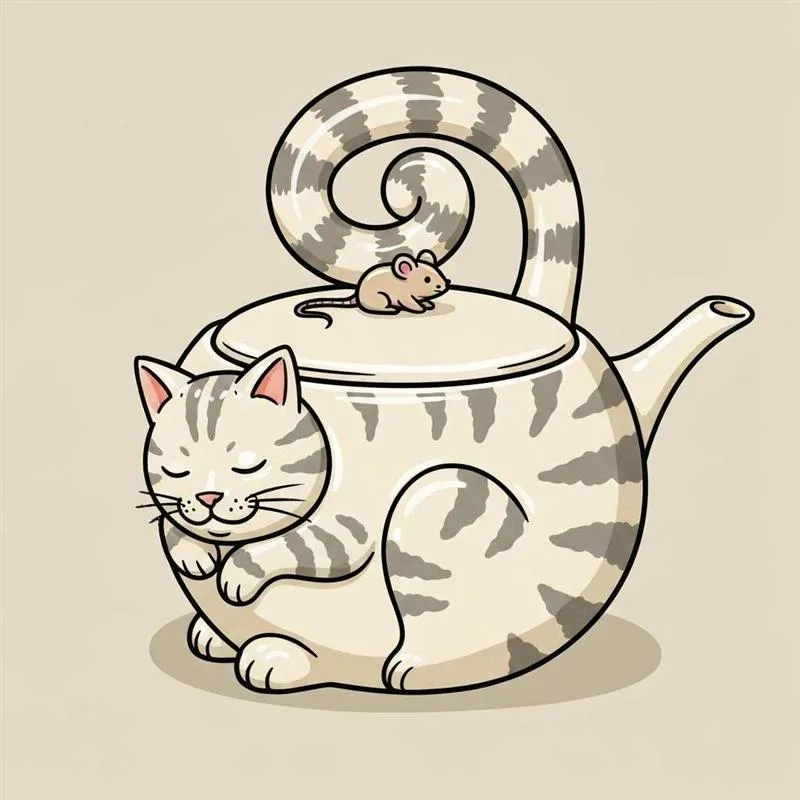
Until our practice photos are ready, each object is shown as a short description card. Describe it as if you were looking at it. Original practice material, not real or recalled test questions.
Prompt 1
A strange kitchen gadget
You are at a garage sale and see the unusual object in the picture. Call a friend who loves cooking, describe the object in detail, and ask whether you should buy it for them.
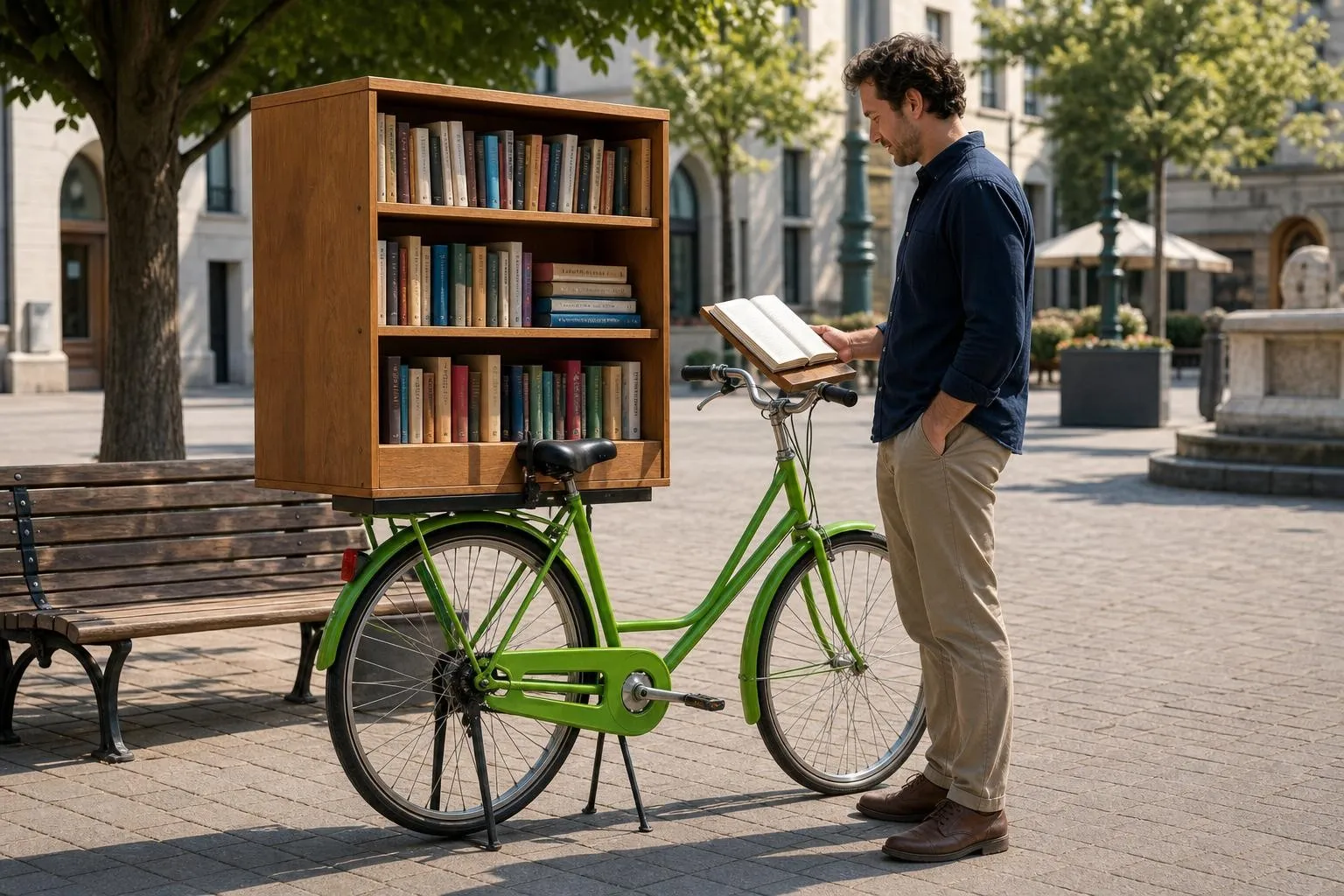
Prompt 2
An unusual bicycle
You are at a community bike shop and see the unusual bicycle in the picture. Call your brother, who is looking for a bike, describe it clearly, and ask if he wants you to reserve it.
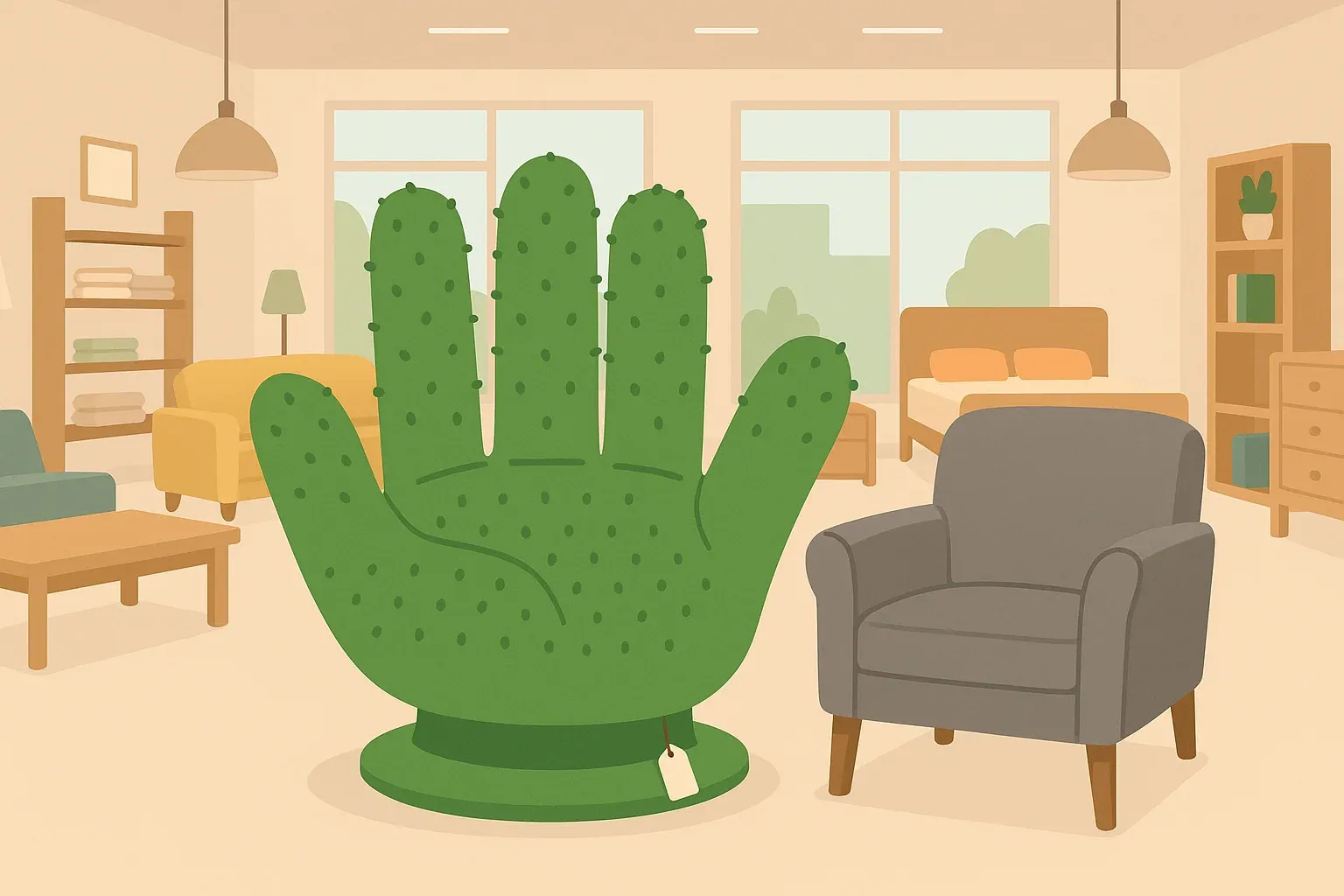
Prompt 3
An unusual chair
You are in a second-hand furniture store and see a very unusual chair. Call your sister, who is furnishing her first apartment, describe the chair in detail, and ask whether you should buy it for her.
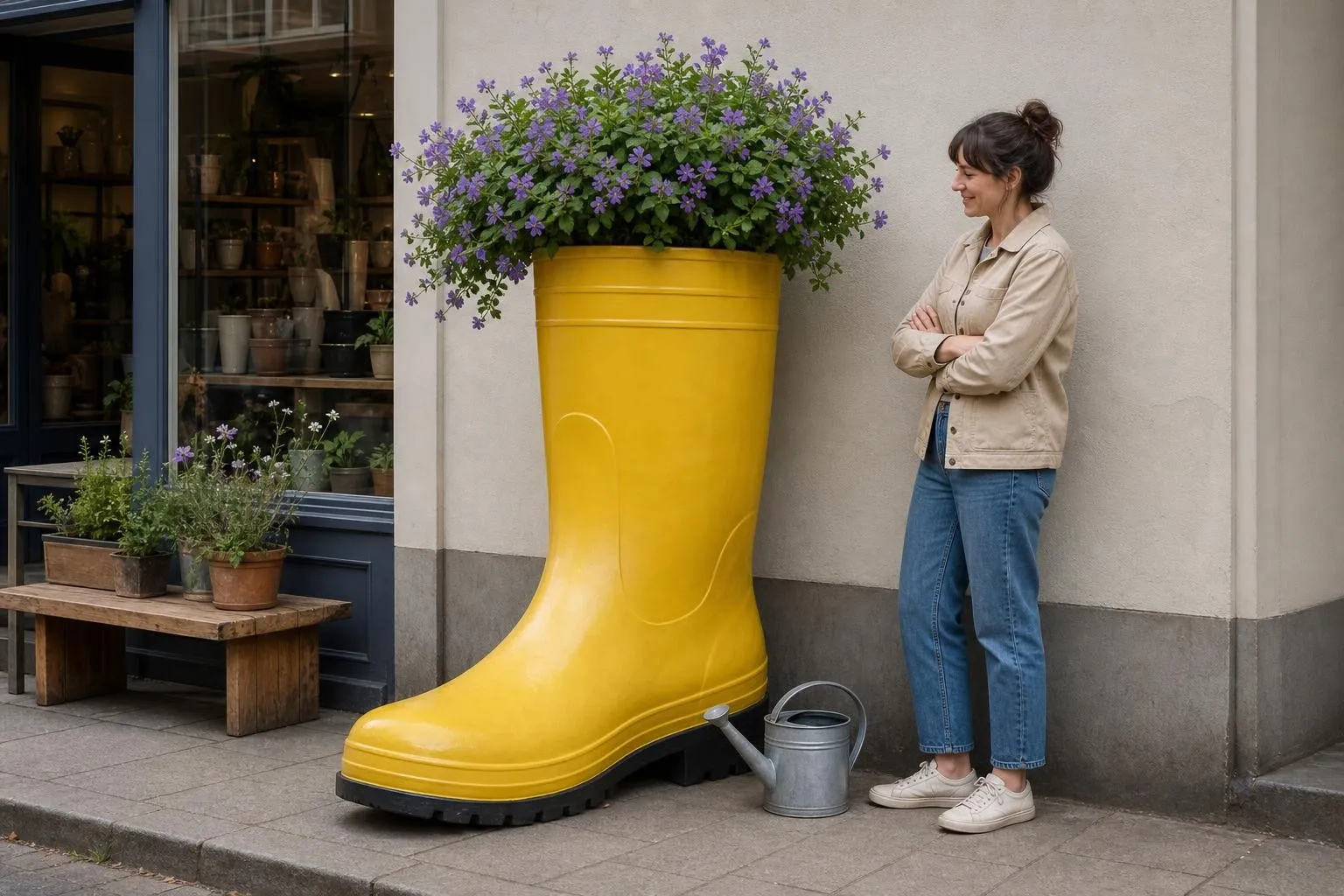
Prompt 4
A strange garden tool
At a hardware store you find a garden tool you have never seen before. Call your neighbour, who loves gardening, describe the tool carefully, and ask if they would like you to pick one up for them.
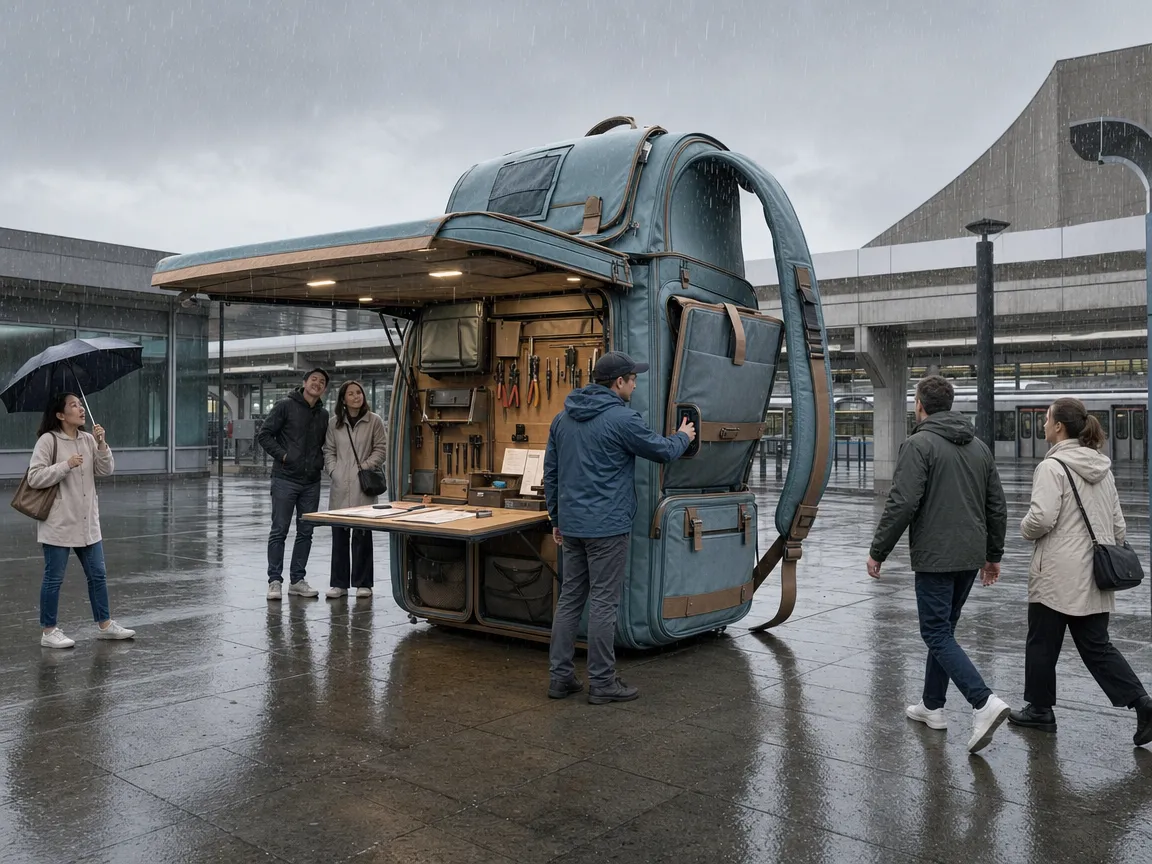
Prompt 5
A backpack with a built-in umbrella
At a weekend market you see an unusual backpack. Call your friend, who cycles to work every day, describe the backpack so they can picture it, and ask whether you should buy it as a birthday gift.
What do level 7, 9 and 10 answers to the same prompt sound like?
Three original answers to Prompt 1 (a strange kitchen tool at a garage sale). Levels are editorial estimates for teaching, not official scores.
Hi Jen, I am at a garage sale and I see a strange thing for the kitchen. It is made of copper and it looks like a spiral. It is long, maybe like my arm. It has a wood handle and on the side there is a small thing you can turn. When you turn it, three blades move. Under it there is a glass jar. I think it is for cutting vegetables, maybe carrots. You like cooking, so do you want me to buy it for you?
The listener gets the main features and the question is clear, but descriptions are basic (“a small thing”) and sentences are short.
Hi Jen, it’s me. I’m at a garage sale down the street, and I’ve just found the strangest kitchen gadget — I immediately thought of you. It’s a copper tool about the length of my forearm, twisted into a tight spiral, a bit like a giant corkscrew. At one end there’s a smooth wooden handle, and on the side there’s a small crank, like the one on an old pencil sharpener. When you turn the crank, three thin blades inside the spiral rotate. Underneath, there’s a little glass jar clipped on, so I guess whatever you cut falls straight into it. It looks hand-made and it’s only five dollars. Should I grab it for you?
Clear purpose, precise comparisons (“like a giant corkscrew”), a logical order and a natural closing question.
Jen, quick question — I’m at a garage sale and I’m holding something you’d love, or at least find hilarious. Picture a corkscrew, but stretched out to about the length of your forearm and made of polished copper. One end has a rounded wooden handle that fits nicely in your palm, and halfway along there’s a little crank sticking out of the side, the kind you’d see on an old-fashioned coffee grinder. If you wind it, three razor-thin blades start spinning inside the coil. And clipped to the bottom there’s a small glass jar, so I’m guessing it shreds herbs or nuts and catches them as it goes. It’s clearly well made, not a cheap novelty. They’re asking five dollars — do you want me to pick it up for you, or is your kitchen full enough already?
Vivid but controlled description (“stretched out”, “clipped to the bottom”), confident guessing and an engaging, natural question.
Common mistakes in Task 8
- Forgetting why you’re calling. Start with the situation, then the object.
- Starting with tiny details. Give the overall shape and size first.
- Vague words. “A thing”, “a part” — replace with a comparison or the material.
- No question at the end. The prompt asks you to ask something. Leave time for it.
- Freezing on unknown words. Describe its function or compare it with something familiar.
What does the AI feedback check in Task 8?
The report estimates a level range on the four CELPIP criteria with quoted evidence. For Task 8 it checks whether you explained why you were calling, described shape, size, material and parts precisely, used comparisons when words were missing and asked the required question, plus pace, pauses and fillers.
It is a practice estimate, not an official CELPIP score — see how we calibrate.
Questions people ask
Do I need to know what the object is?
What if I don’t know the word for a part?
Do I have to ask the question in Task 8?
Next stations

Unofficial practice and estimates — not affiliated with Paragon or IRCC, and not legal advice. Read the disclaimer