CELPIP Speaking Task 4: Making Predictions
Predict what will probably happen next in the Task 3 picture, in 60 seconds. Practise below, then compare level 7, 9 and 10 predictions.
Task 4 · Making Predictions
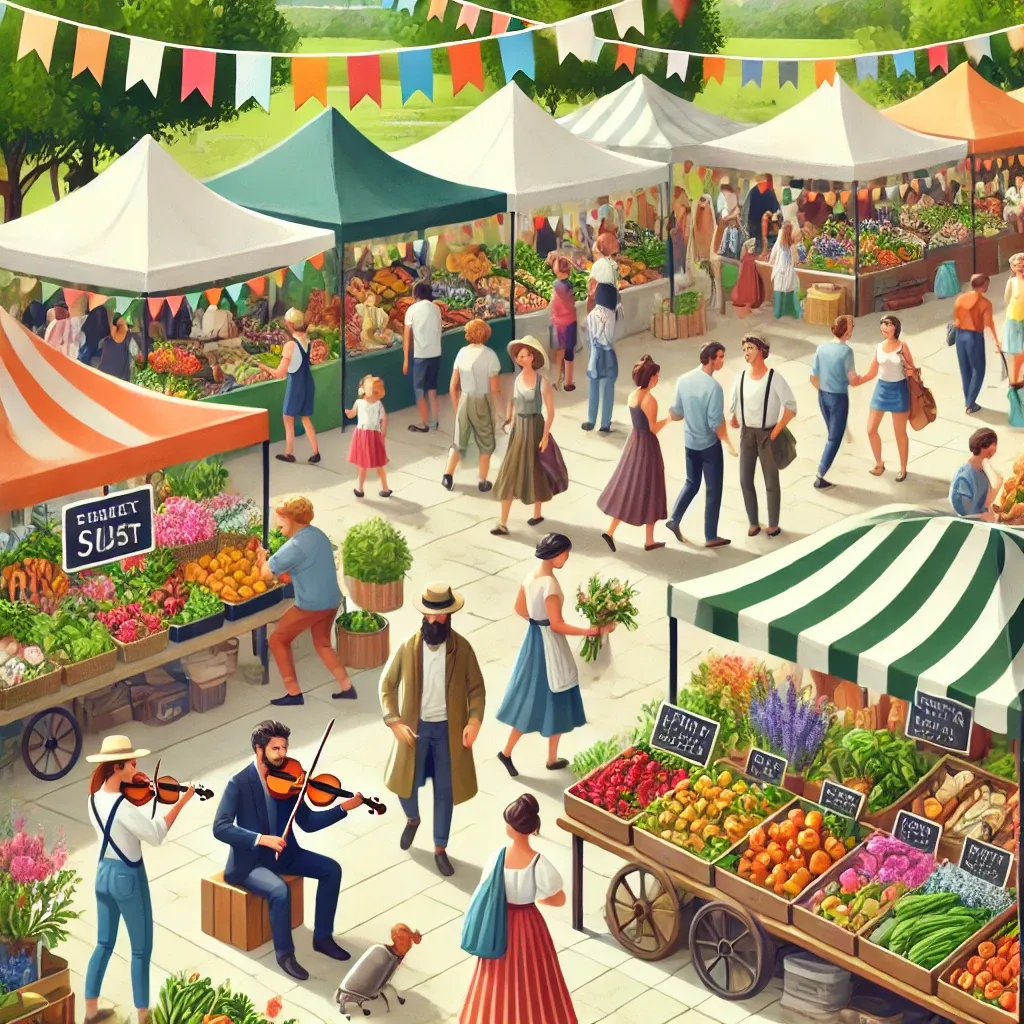
What happens next at the market
In this picture, what do you think will most probably happen next?
Quick tips for this task
- Base each prediction on something visible in the picture.
- Vary certainty: will, is likely to, might.
- Cover several people or areas, not just one.
Ready
- Prep
- 0:30
- Speak
- 1:00
Your browser will ask for the microphone. Recordings are scored, then discarded — never stored.
In CELPIP Speaking Task 4 (Making Predictions), you look at the same picture as Task 3 and get 30 seconds to prepare and 60 seconds to say what will most probably happen next. Strong answers base each prediction on something visible, cover several people or areas, and vary certainty with will, is likely to and might.

How long do you get for CELPIP Speaking Task 4?
30 seconds to prepare and 60 seconds to speak, using the picture you just described in Task 3. Because you already know the scene, spend the preparation time choosing three predictions and the clue in the picture that supports each one.
- 0:30Prep
- 1:00Speak
How should you structure a Task 4 answer?
Frame it (about 5 s)
“Looking at this scene, I think a few things are likely to happen in the next few minutes.”
Prediction + clue, three times (about 15 s each)
Point to what you see, then predict: “The engine is already moving, so it will probably leave the yard soon.”
Vary your certainty
Use will definitely for the obvious, is likely to for the probable and might or could for the possible.
Wrap up (about 8 s)
One sentence on how the scene will look a little later.
Same scene as Task 3
Our practice scenes are shared between Task 3 and Task 4, as in the test. Describe a scene first, then come back here and predict.
Task 4 practice scenes
The same scenes as Task 3. Original practice prompts, not real or recalled test questions.
Prompt 1
What happens next at the market
In this picture, what do you think will most probably happen next?
Prompt 2
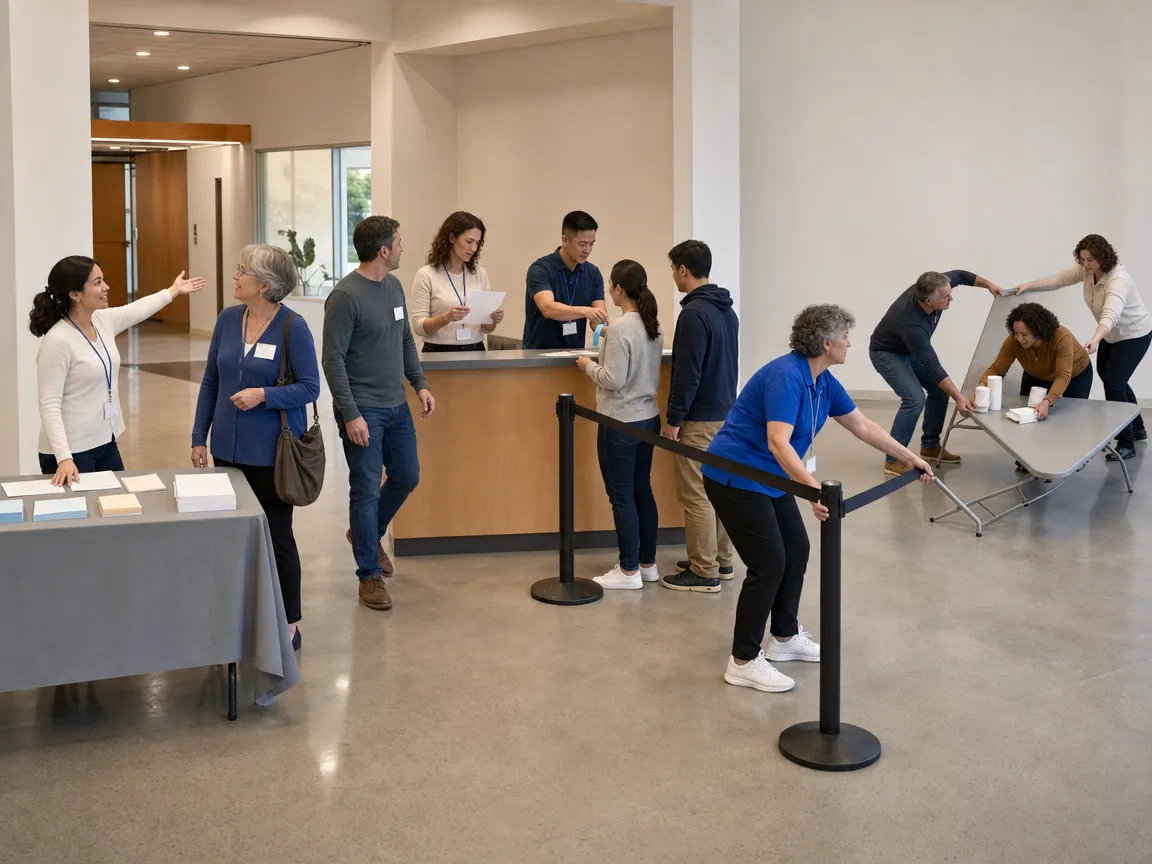
What happens next at the community centre
In this picture, what do you think will most probably happen next?

Prompt 3
What happens next at the station
In this picture, what do you think will most probably happen next?
Prompt 4
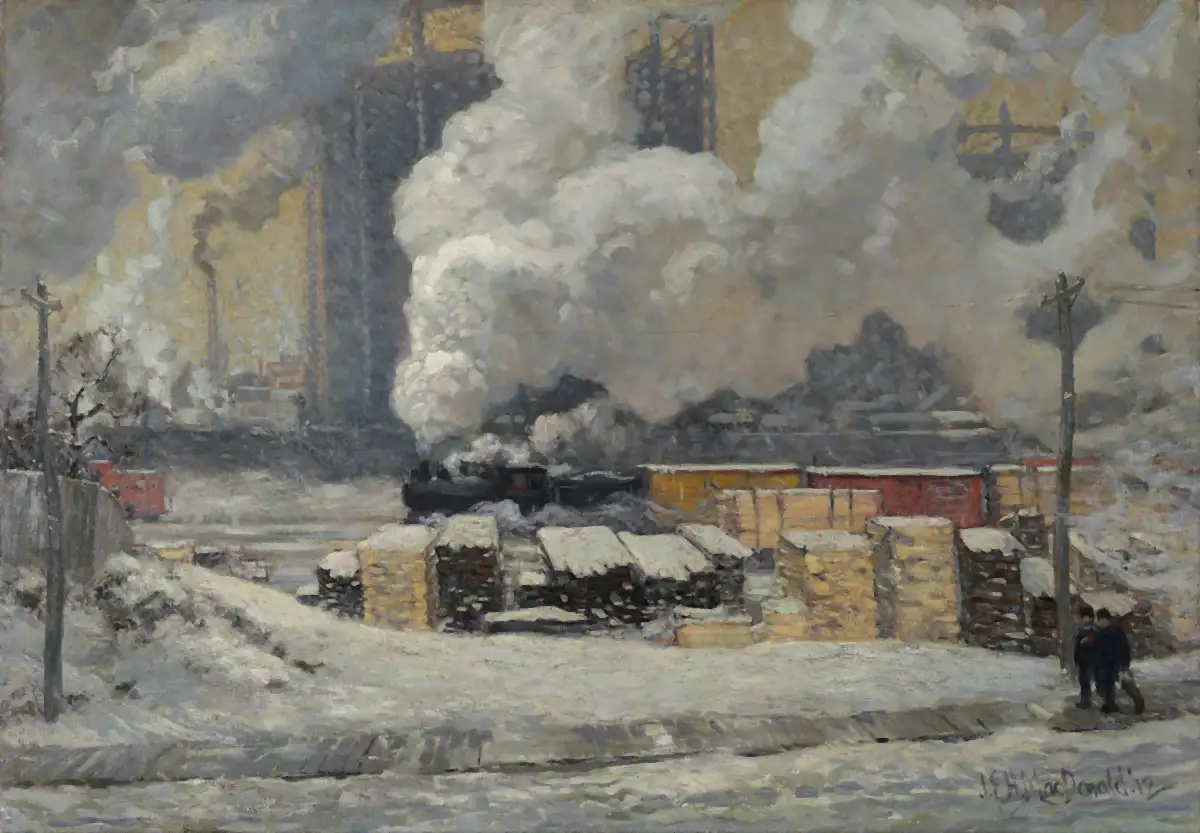
What happens next in the rail yard
In this picture, what do you think will most probably happen next?
Prompt 5
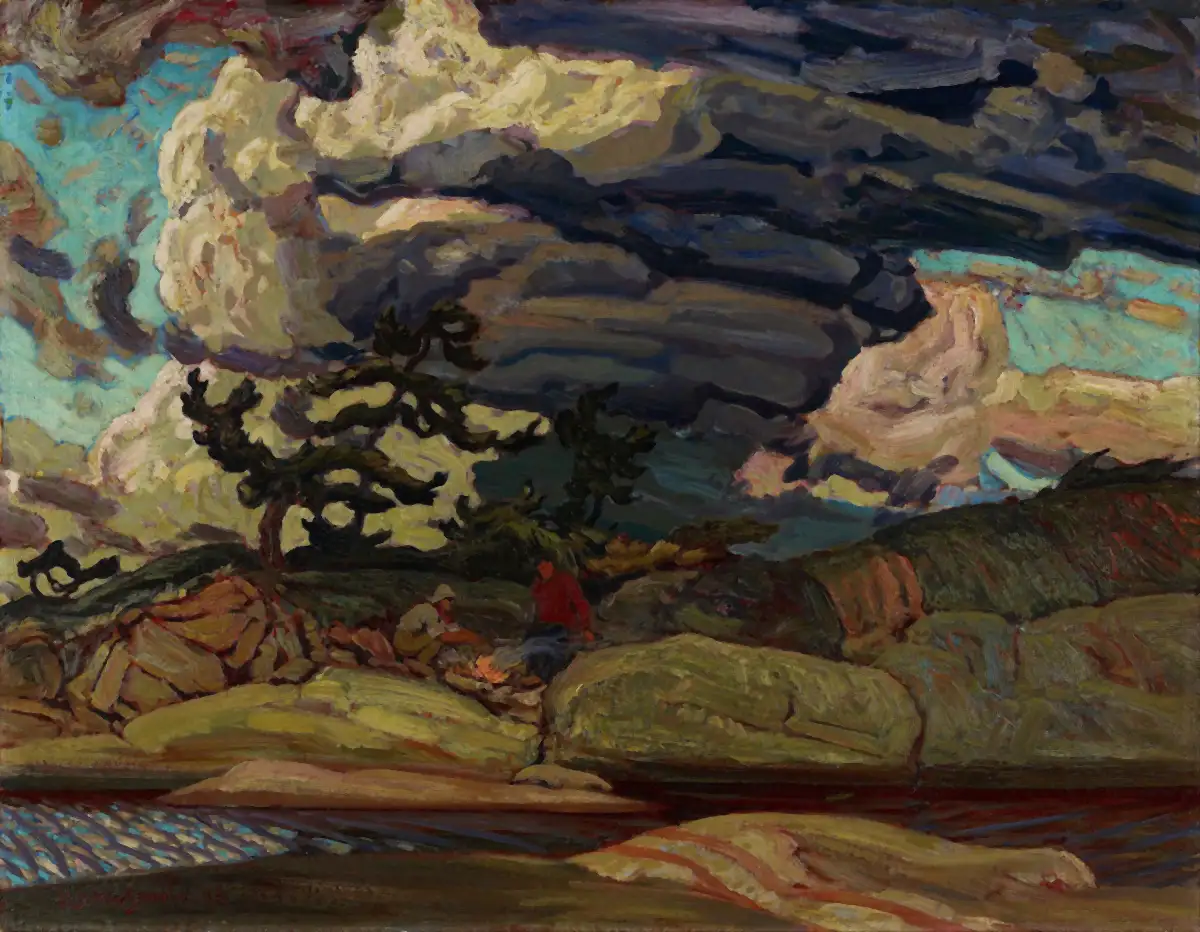
What happens next at the campsite
In this picture, what do you think will most probably happen next?
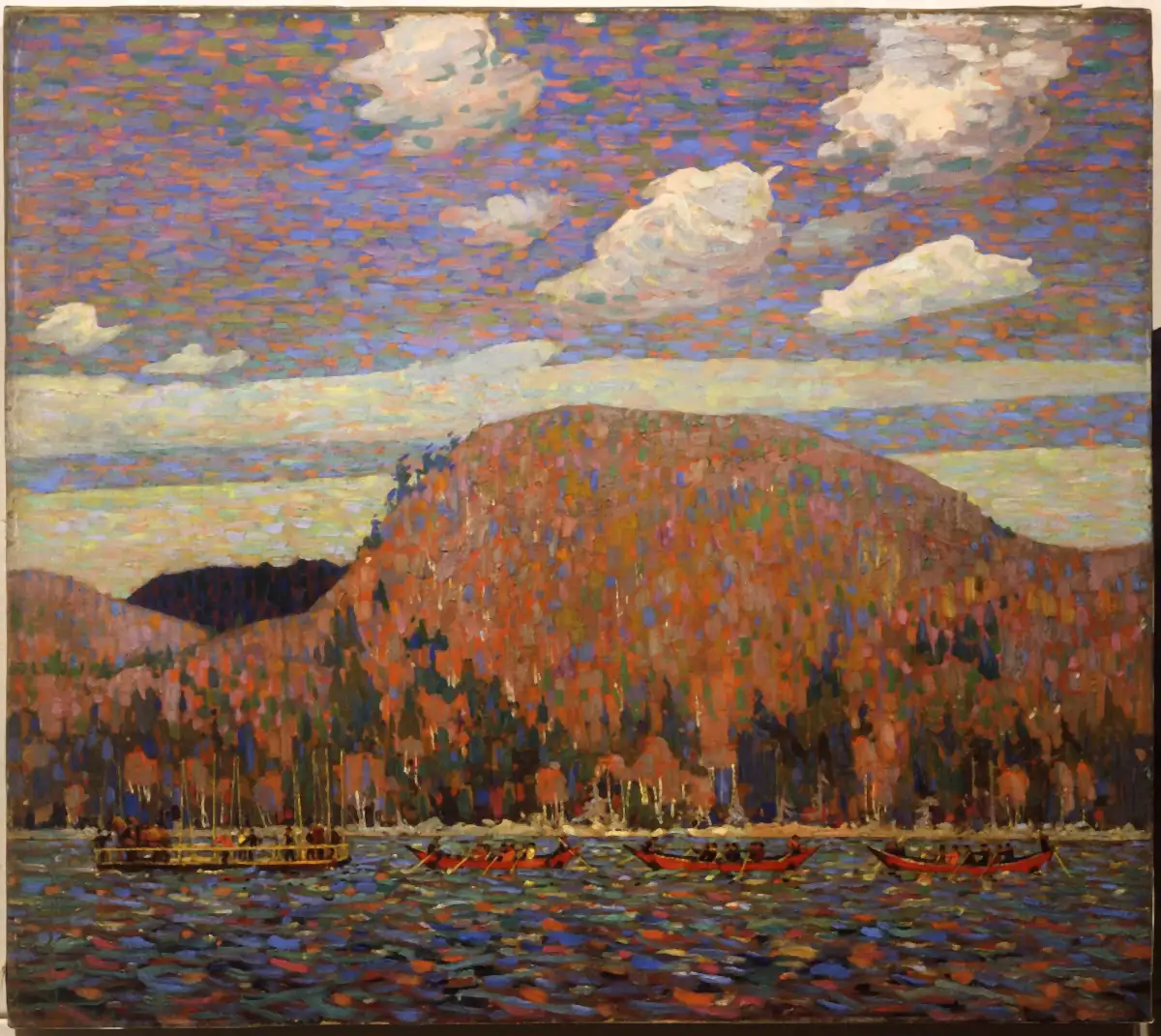
Prompt 6
What happens next on the lake
In this picture, what do you think will most probably happen next?
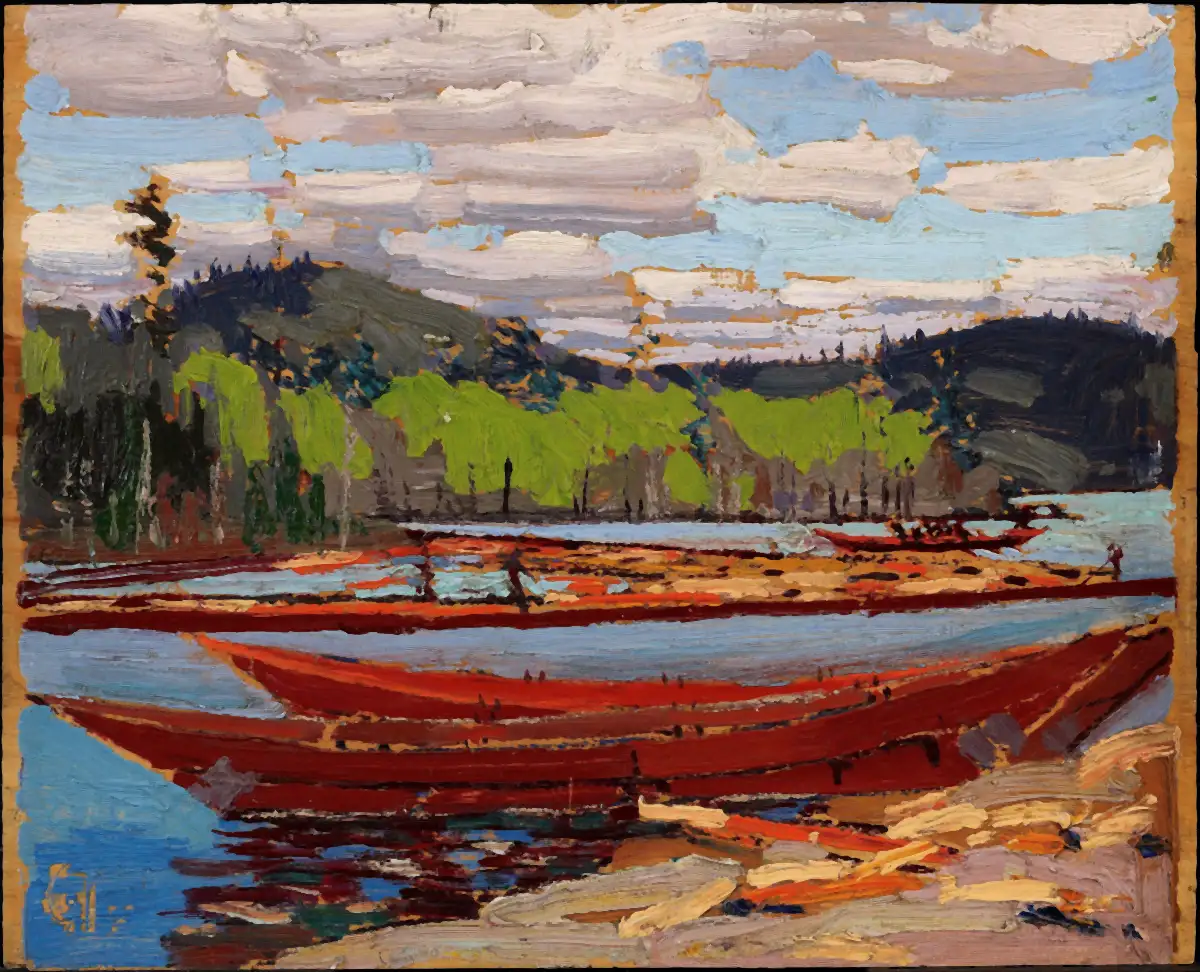
Prompt 7
What happens next on the shore
In this picture, what do you think will most probably happen next?
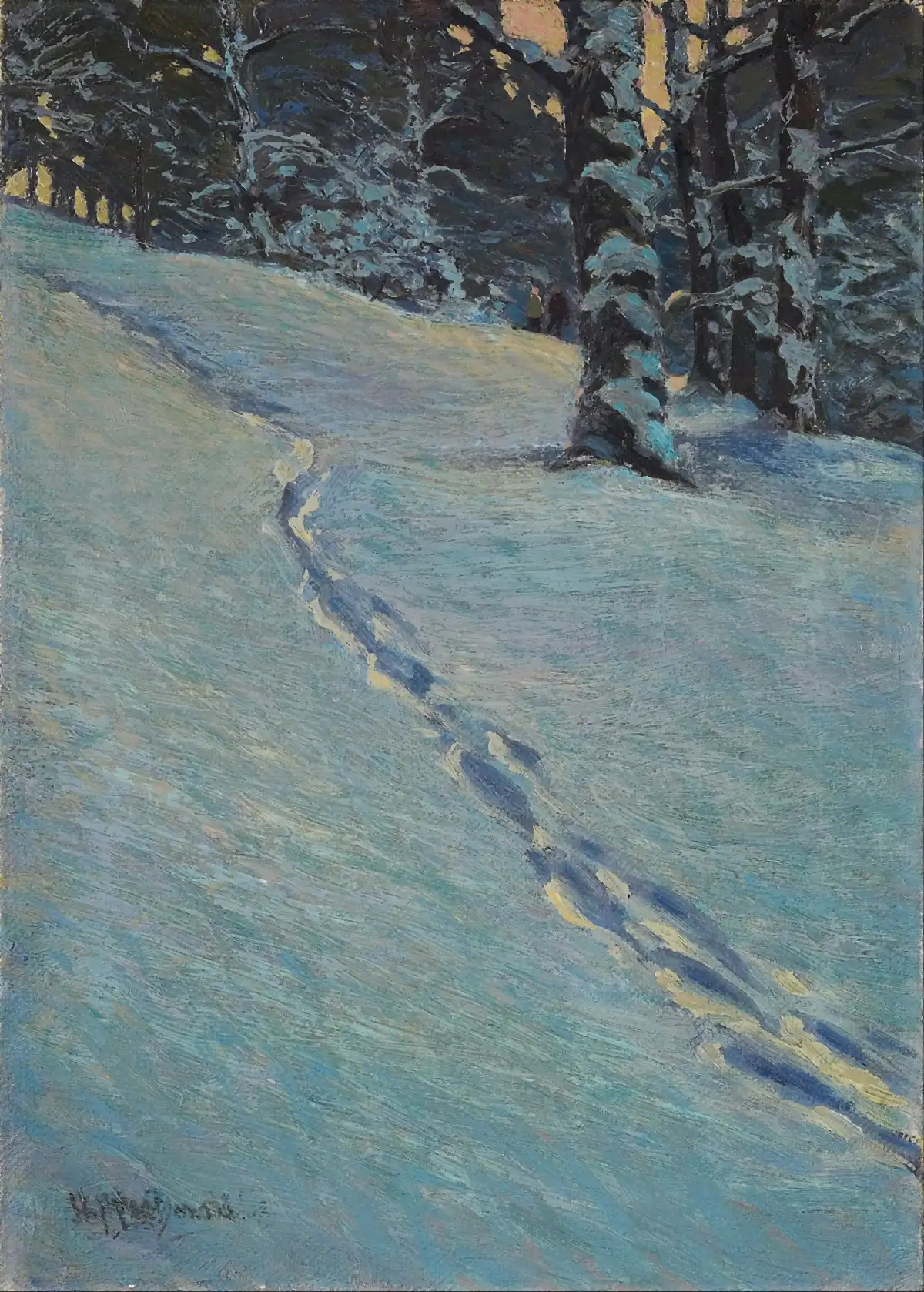
Prompt 8
What happens next in the park
In this picture, what do you think will most probably happen next?


What do level 7, 9 and 10 predictions for the same scene sound like?
Three original answers for Scene 1 (Tracks and Traffic, a rail yard in winter). Levels are editorial estimates for teaching, not official scores.
I think the train will go away from the station soon, because it has a lot of smoke. Then the people on the right will walk to their work. Maybe they will be late. Also, I think more snow will come, because the sky is grey. Maybe some workers will come and take the wood for building. And the smoke will go to the buildings and the city will be dirty. I think after some time the yard will be quiet.
Several predictions with simple reasons, but will and maybe repeat and the links to the picture are thin.
Looking at this scene, I think a few things will happen fairly soon. First, the steam engine is already moving and producing a lot of smoke, so it will probably pull the freight cars out of the yard in the next few minutes. Second, the two people on the right seem to be heading somewhere in a hurry, so they are likely to cross the tracks once the train has passed. The sky is grey and heavy, which suggests that more snow might start falling later in the morning. Finally, those stacks of lumber look ready to be shipped, so I expect a crew could arrive to load them onto the next train.
Each prediction is tied to a visible clue and certainty is varied (will probably, are likely to, might, could).
Given what’s going on here, I’d say the most immediate change involves the locomotive. It’s clearly under steam, so within a minute or two it will almost certainly have pulled those freight cars out of view, and the smoke will start to drift across the buildings in the background. Once the line is clear, the two people walking on the right are likely to cross the tracks — they look as though they’re on their way to work and don’t want to be kept waiting in the cold. Judging by the low, grey sky, there’s a fair chance of more snow before noon, which might slow everything down. And with the lumber already stacked so neatly, I wouldn’t be surprised if a loading crew showed up later to get it onto the next train.
Sophisticated hedging (“there’s a fair chance”, “I wouldn’t be surprised if”), natural cause-and-effect and well-paced delivery.
Common mistakes in Task 4
- Describing again. Task 4 is about what happens next. Mention the scene only as the reason for a prediction.
- Predictions with no clue. “The man will win the lottery” isn’t supported by the picture.
- Only one person or area. Spread your predictions across the scene.
- Using only “will”. Vary certainty: is going to, is likely to, might, could.
- Inventing a long story. Three grounded predictions beat one far-fetched narrative.
What does the AI feedback check in Task 4?
The report estimates a level range on the four CELPIP criteria with quoted evidence from your answer. For Task 4 it checks whether predictions stay grounded in the picture, cover several areas and use varied future and hedging forms, and it shows your pace, pauses and fillers on a timed transcript.
It is a practice estimate, not an official CELPIP score — see how we calibrate.
Questions people ask
Does Task 4 use the same picture as Task 3?
How many predictions should I make in 60 seconds?
What is hedging language?
Next stations

Unofficial practice and estimates — not affiliated with Paragon or IRCC, and not legal advice. Read the disclaimer